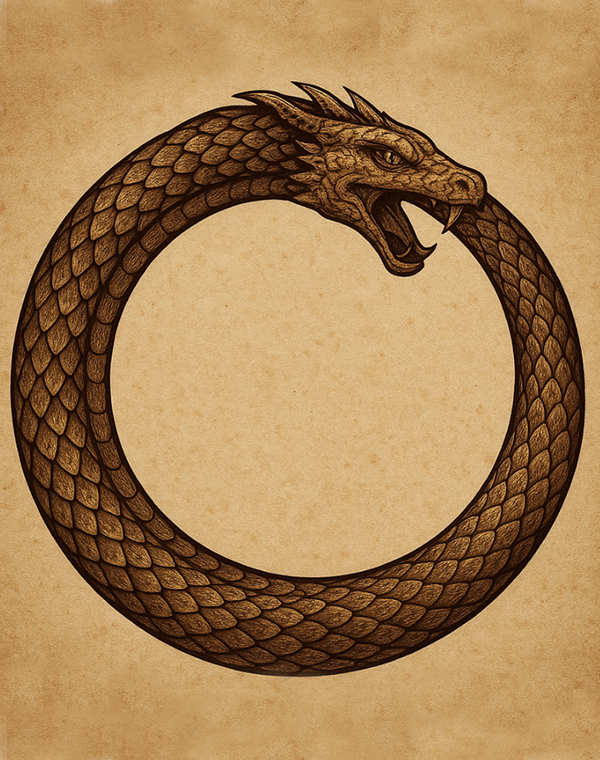
In ancient mythology, the Ouroboros depicts a dragon or serpent consuming its own tail, appearing content and convinced it is enjoying the meal of a lifetime. This might be considered a metaphor for today’s artificial intelligence industry, where leading companies engage in reciprocal deal-making that fosters what appears to be a self-reinforcing ecosystem. This raises important questions about whether current market dynamics truly reflect organic growth or merely sustain momentum within a closed loop.
The Nature of Circular Deals in AI
The AI industry, as you perhaps have heard or read about, may have an issue with “circular” deals; arrangements in which companies invest in each other or their partners, forming closed loops of capital and resources. For example, NVIDIA, the dominant chipmaker whose GPUs are central to AI training, not only sells hardware to AI companies but also invests in them through its venture arm, NVentures. Similarly, OpenAI receives funding from Microsoft, while simultaneously paying Microsoft billions for cloud computing resources. These relationships create a peculiar and self-sustaining situation: Company A invests in Company B, Company B purchases products from Company A, both companies see their valuations rise, and they (as do shareholders) celebrate the appearance of robust economic activity. However, the true net value creation in these arrangements remains ambiguous, much like the Ouroboros feeding on itself.
NVIDIA exemplifies this circular model, investing in AI startups through NVentures, with the implicit understanding that these startups will purchase NVIDIA’s H100 and newer chips for their infrastructure. While NVIDIA genuinely offers superior hardware for AI training, this cycle creates a self-reinforcing loop in which NVIDIA’s investments generate demand for its own products. Over the years, NVIDIA has backed numerous AI startups, such as CoreWeave—a cloud provider that relies heavily on NVIDIA chips—and various AI application companies. Each investment not only strengthens NVIDIA’s ecosystem but also cultivates future customers, further illustrating the Ouroboros metaphor, where the serpent’s tail continually nourishes its head.
The partnership between OpenAI and Microsoft offers another example of circular dynamics in the AI sector. Microsoft has invested $13 billion into OpenAI, yet a significant portion of that investment returns to Microsoft in the form of Azure cloud computing, as OpenAI trains its models on Microsoft’s infrastructure, which is filled with NVIDIA chips. This arrangement means Microsoft is not merely betting on OpenAI’s success; it is also securing guaranteed revenue for its own cloud division, irrespective of OpenAI’s eventual profitability. Thus, the investment serves as both a wager on AI’s future and a sophisticated mechanism for locking in a major cloud customer.
A recent Wall Street Journal article entitled “How Sam Altman Tied Tech’s Biggest Players to OpenAI” captures the essence of this dynamic, noting that Altman orchestrated a dealmaking blitz, leveraging the ambitions of Silicon Valley’s giants. As these companies compete to capitalize on OpenAI’s projected growth, the fates of leading semiconductor and cloud firms—and a significant portion of the U.S. economy—have become intertwined with OpenAI, making it “too big to fail.” Despite OpenAI’s lack of profitability and mounting business challenges, investors remain undeterred.
The Ouroboros: Renewal or Futility?
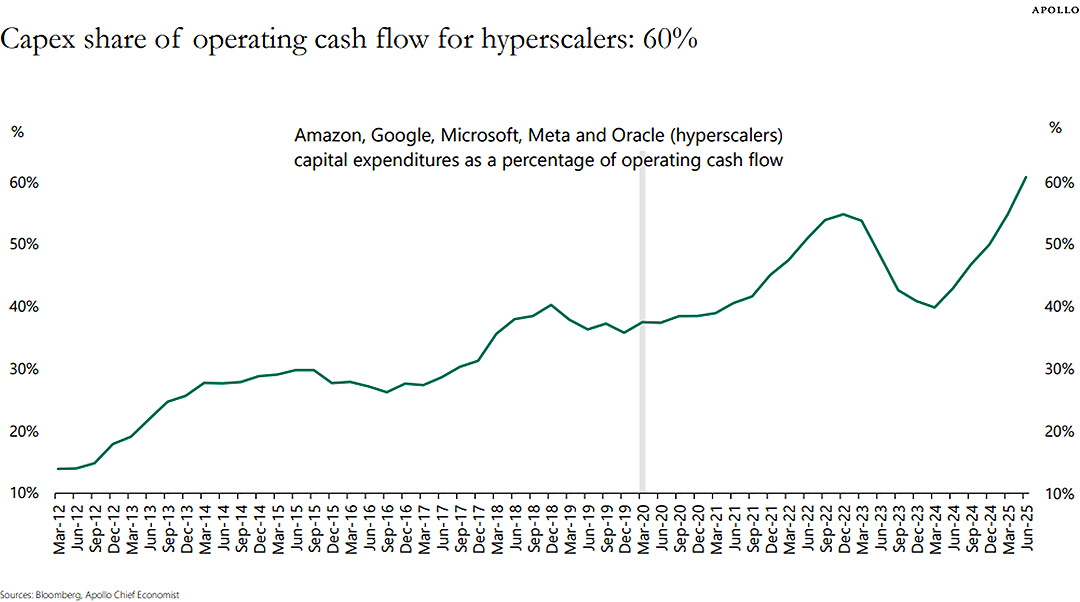
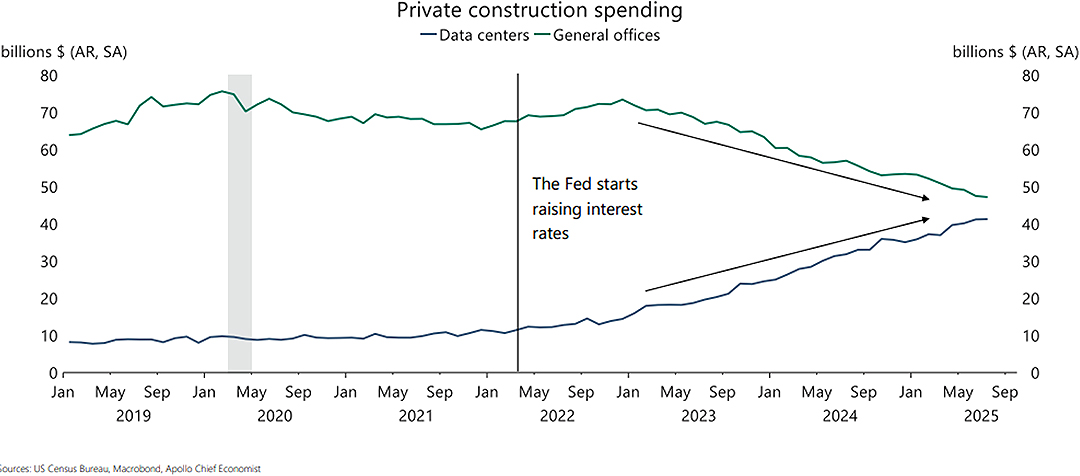
The Ouroboros represents both perpetual renewal and the risk of futile self-consumption. Which interpretation best describes AI’s circular deals depends on whether these companies can transform their closed loops into genuine value creation that extends beyond their own ecosystem. The critical question is whether they can stop eating their tails and begin nourishing the broader economy. But what if AI doesn’t transform the economy? What if business and individuals do not embrace it as eagerly as may be needed to justify the current AI spending? Are we as a nation moving the “chips” all in on AI? The stakes are high—truly a trillion-dollar question, given the valuations involved.
Ultimately, the ancient serpent must release its tail and move forward. The challenge for the AI industry is whether it still remembers how to advance in a straight line.

We appreciate and thank you for your ongoing support and engagement.
If you have not recently updated or completed your financial plan, we encourage you to take this opportunity to contact our in-house Director of Financial Planning, Sonny Licata. Sonny can provide expert guidance tailored to your individual needs, ensuring that your financial strategies remain aligned with current market dynamics and your personal goals.
We truly appreciate your ongoing support. With the quarter wrapping up, now is a perfect time to check your accounts. As always, we’re here and happy to help—just give us a call if you need anything.
Now Live:
Spinnaker Market Alerts
We look forward to sharing breaking information with you, only when it matters. If you did not receive a text from us and you are interested in receiving Market Alerts, you can sign up by completing the form here.
Have You Taken
The SpinnCycle™?
A quick reality check for your portfolio
Enter the SpinnCycle and find your SpinnScore™
Spinnaker Mobile App now Available for iOS and Android